
This article contains affiliate links. If you purchase a product through one of these links, Seoulful Tea may earn a small commission at no extra cost to you. We only recommend products we believe are worth your money.
If you’re new to Korean tea, knowing where to start can feel overwhelming. There are dozens of varieties — from warming ginseng and roasted barley blends to fragrant citron and ginger teas that have been part of Korean family life for generations. The good news is that many of the best Korean teas are now easy to find online, delivered straight to your door.
Here are our top picks for anyone looking to explore Korean tea for the first time.
1. Korean Citron Tea (Yujacha)
Yujacha is one of Korea’s most beloved everyday drinks — a thick, fragrant preserve made from yuja citrus fruit and honey, spooned into hot water to create a warming, naturally sweet tea. It’s completely unlike anything in the Western tea tradition, which makes it one of the most exciting discoveries for anyone new to Korean tea culture. The flavour is bright and citrusy with a floral honey sweetness — comforting in winter but refreshing enough to enjoy year round.
Best for: Sweet tea lovers, cold evenings, anyone who finds green or herbal teas too bitter
2. Barley Tea (Boricha)
If there’s one tea that defines everyday Korean life, it’s boricha. Roasted barley creates a naturally nutty, caffeine-free drink that Korean families serve hot in winter and ice-cold in summer. It’s incredibly easy to brew in large batches and keep in the fridge. A brilliant caffeine-free alternative to coffee or black tea.
Best for: All-day hydration, caffeine-free households, families with children
3. Korean Ginseng Tea (Insamcha)
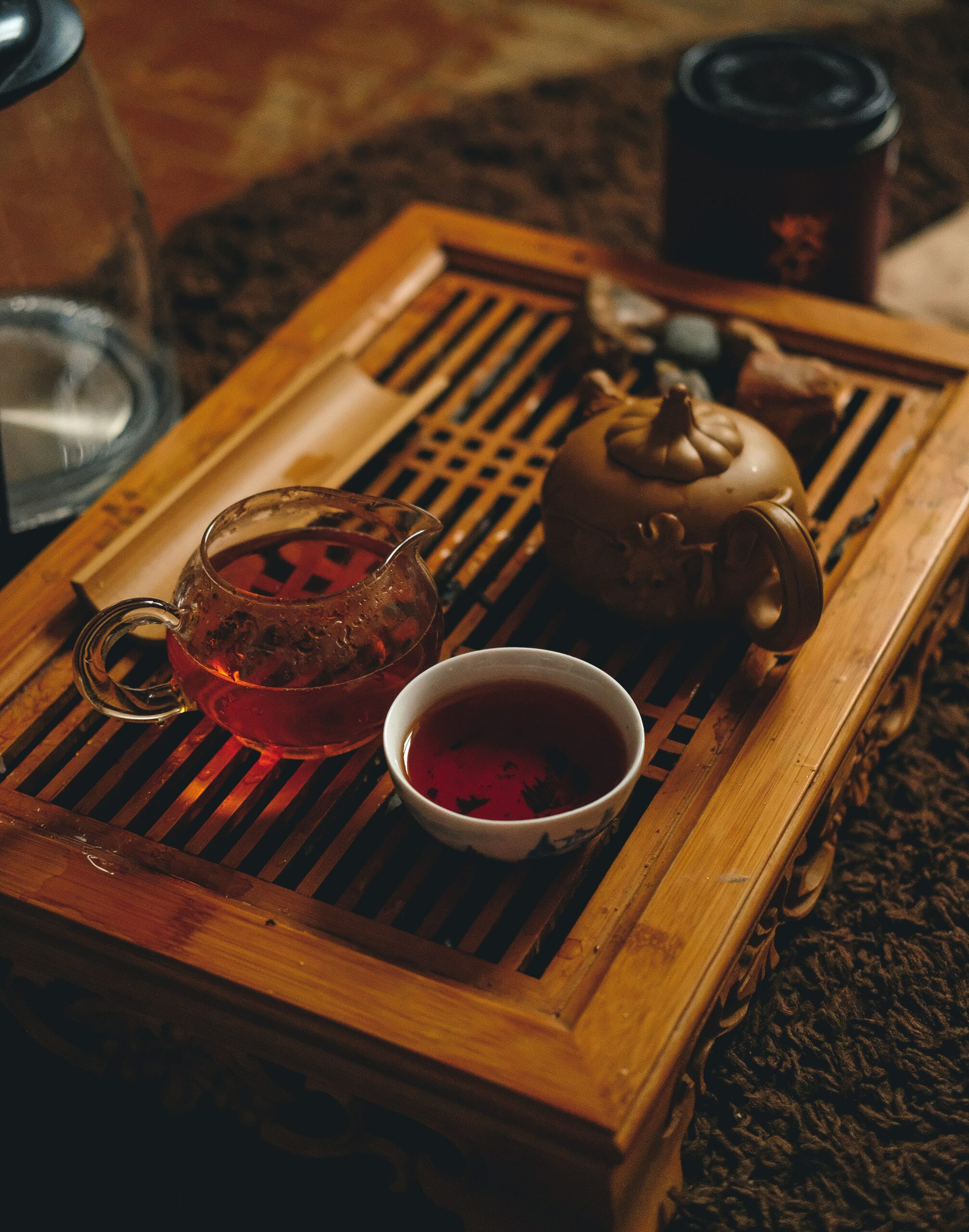
Red ginseng tea is Korea’s most iconic wellness drink. It has a distinctive earthy, slightly bitter flavour that takes some getting used to, but it’s deeply warming and has been central to Korean traditional medicine for centuries. Many versions come pre-sweetened with honey, which balances the intensity nicely.
Best for: Winter evenings, those interested in traditional Korean wellness
4. Korean Ginger & Citrus Tea (Saenggangcha)
If you want to explore Korean tea from one of the country’s most celebrated producers, Osulloc is the place to start. Based on Jeju Island — Korea’s volcanic island paradise in the southern sea — Osulloc has been crafting premium teas since 1979 and is widely considered the gold standard of Korean tea culture.
This Ginger Young-Gyul blend combines warming ginger with Young-Gyul, a small tangerine variety native to Jeju that’s harvested in late autumn and prized for its intensely fragrant peel. The result is a bright, spicy-sweet tea with natural immunity supporting properties — the kind of drink Koreans reach for at the first sign of a cold, or simply on a grey afternoon when something warming is needed.
USDA Organic certified, naturally caffeine free, and beautifully packaged — it also makes an excellent gift for anyone curious about Korean culture.
Best for: Afternoon relaxation, anyone whBest for: Cold weather comfort, immunity support, Korean tea gift ideaso enjoys floral teas
5. Jujube Tea (Daechucha)
Made from dried Korean jujube dates, this tea is naturally sweet and deeply comforting. It’s thick, warming, and feels almost like a light dessert drink. A staple of Korean autumn and winter, and one of the most approachable teas for those who find green or herbal teas too bitter.
Best for: Evening wind-down, sweet tea lovers, cold weather comfort
6. Corn Silk Tea (Oksusu Suyeomcha)
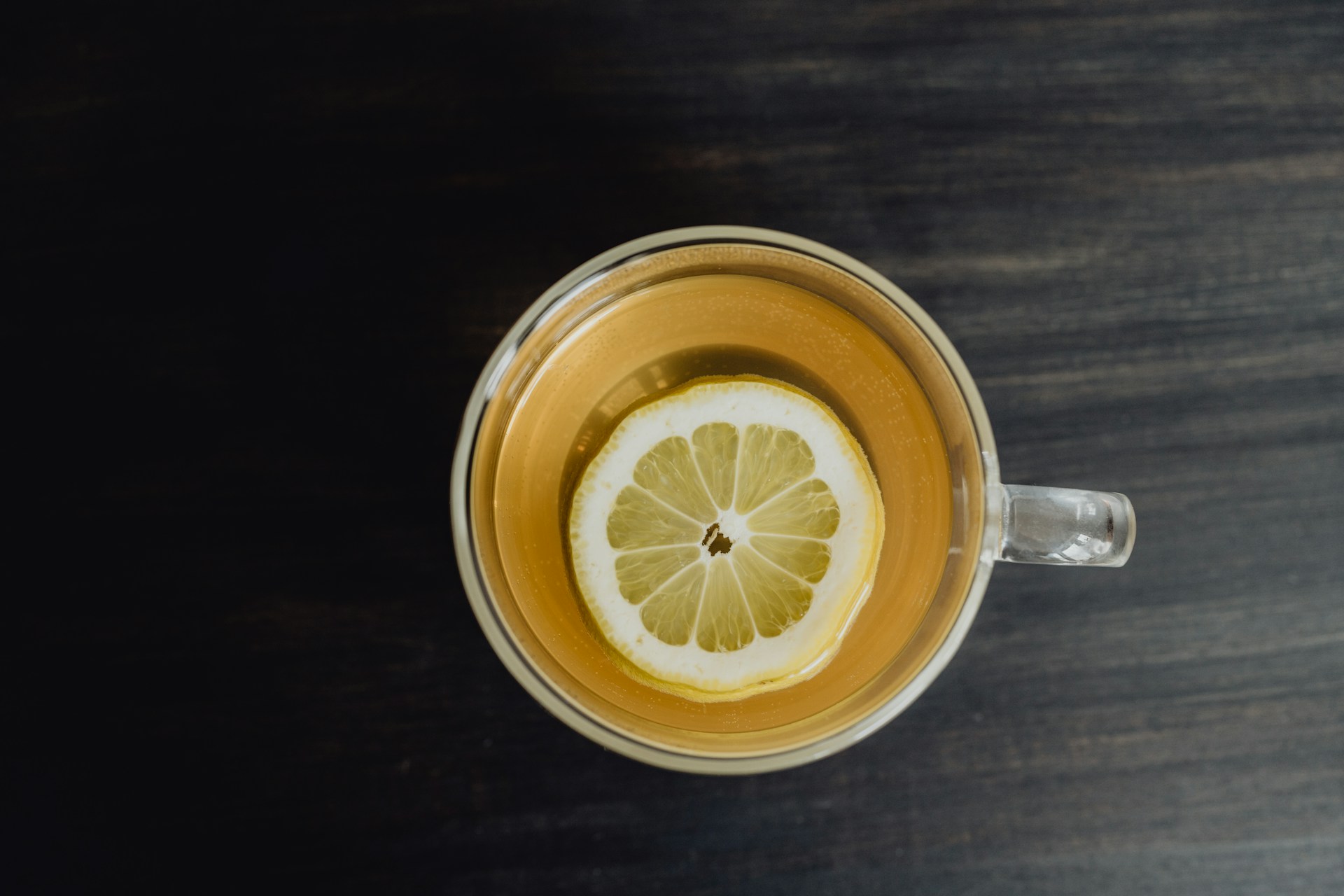
Unusual to Western eyes but completely normal in Korean households — corn silk tea has a mild, clean sweetness and is one of the most widely drunk everyday teas in Korea. Caffeine-free, very affordable, and surprisingly refreshing served cold.
Best for: Summer hydration, curious beginners, caffeine-free options
7. Solomon’s Seal Tea (Dunggullecha) — Dongsuh
If you want to go deeper into Korean tea culture beyond the well-known varieties, Solomon’s Seal tea is where things get genuinely interesting. Made from the roasted roots and rhizomes of the Solomon’s Seal plant — a wild herb that grows across Korea’s mountain regions — this is a tea with deep roots in Korean traditional medicine and everyday life.
Dongsuh (동서) is one of Korea’s most trusted household brands, and their Solomon’s Seal tea has a mild, slightly nutty and roasted flavour that sits somewhere between barley tea and a light grain tea. It’s naturally caffeine free, gentle enough to drink at any time of day, and completely unlike anything you’ll find in a Western supermarket.
With 50 bags per box it’s excellent value and ideal for anyone who wants to make Korean tea a daily habit rather than an occasional treat. If someone asks what you’re drinking, you’ll have a good story to tell.
Best for: Daily caffeine-free drinking, curious tea explorers, those who enjoy roasted grain teas like boricha
A note on buying Korean tea online
When shopping online, look for teas that list their origin clearly — ideally naming the region (Boseong, Hadong, Jeju) rather than just “Korean tea.” Loose leaf will almost always offer better flavour than tea bags, though bags are perfectly fine for everyday teas like boricha and corn silk.
Start with boricha or chrysanthemum if you want something approachable and caffeine-free. Start with nokcha if you want to explore Korean tea culture more seriously.