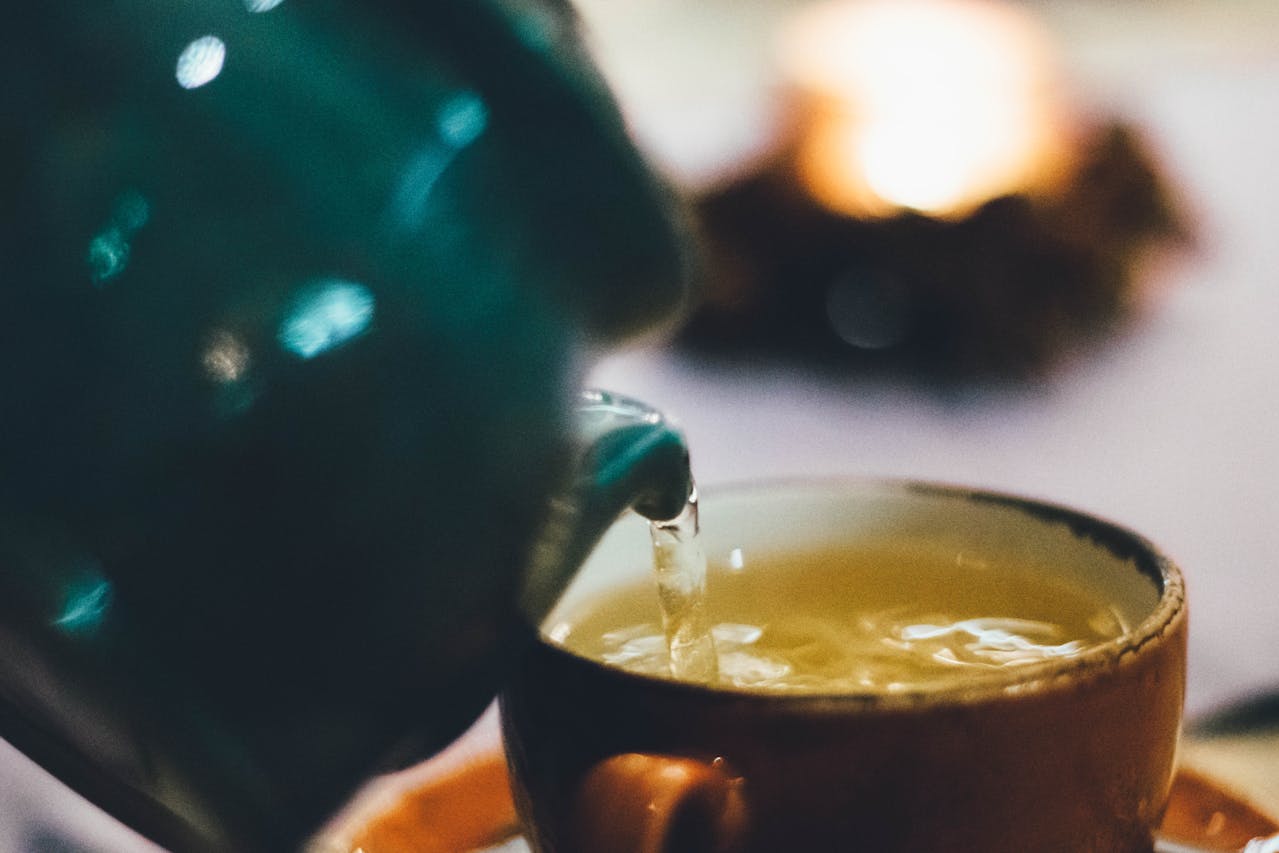
There’s something magical about the first time you properly brew Korean tea. The gentle steam rising from your cup, the earthy aroma filling the air, and that moment when you realize you’re not just making a drink – you’re participating in a ritual that has connected people to peace and mindfulness for over a thousand years.
Korean tea brewing is fundamentally different from the grab-and-go coffee culture or even the quick tea bag steeping that many of us are used to. It’s an invitation to slow down, to be present, and to find a few moments of tranquility in our often chaotic daily lives.
More Than Just Hot Water and Leaves
When you watch someone who truly understands Korean tea prepare a cup, you’ll notice something immediately: they’re never rushing. Every movement has intention, from the way they warm the teapot to how they pour the water in a gentle, circular motion. This isn’t ceremony for ceremony’s sake – it’s a philosophy that recognizes tea brewing as a form of meditation.
Korean tea culture emphasizes what practitioners call “mindful simplicity.” Unlike some elaborate tea ceremonies that can feel intimidating or overly formal, Korean tea brewing focuses on finding elegance in simple, deliberate actions. The goal isn’t to impress anyone with complex rituals, but to create a moment of harmony between yourself, the tea, and the present moment.
This philosophy shapes everything about how Koreans approach tea, from the equipment they choose to the way they serve guests. Understanding this mindset is perhaps more important than mastering any specific technique, because it transforms tea brewing from a task into a practice.
The Foundation: Water and Warmth
If you’ve ever wondered why some tea tastes extraordinary while others fall flat, the answer often lies not in the tea leaves but in the water. Korean tea masters have a saying that water makes up eighty percent of a good cup of tea, and once you understand this principle, your tea will improve dramatically.
The best water for Korean tea is soft and clean, without the chlorine taste that comes from many tap sources. Spring water works beautifully, as do most filtered waters. What you want to avoid is distilled water, which lacks the subtle minerals that help tea flavors develop, and hard water with high mineral content that can overwhelm delicate tea notes.
Temperature is equally crucial, and this is where many people make their biggest mistakes. Boiling water might seem like the obvious choice, but it can actually destroy the delicate compounds that make Korean green tea so special. Different teas need different temperatures – Korean green tea thrives at around 75°C, while heartier teas like ginseng can handle water that’s nearly boiling.
Learning to judge water temperature without a thermometer becomes intuitive with practice. Water at the right temperature for green tea will have small bubbles forming on the bottom of the kettle, but no rolling boil. For ginseng tea, you can let it reach a gentle boil before pouring.
Equipment: Simple Tools, Profound Results
Walking into a Korean tea shop, you might be surprised by how simple the equipment looks compared to elaborate Chinese tea sets or formal English tea services. Korean teaware embodies that philosophy of mindful simplicity – functional, beautiful in its restraint, and designed to enhance rather than complicate the tea experience.
The traditional Korean teapot, called a daruma, is typically small and made from unglazed clay. These little pots, usually holding just enough for two or three small cups, are designed to be dedicated to specific types of tea. Over time, the clay absorbs oils from the tea, creating a seasoning that actually improves the flavor of future brews.
Korean tea cups are equally distinctive – small, handleless vessels that fit comfortably in your palm. The lack of handles isn’t an oversight; it’s intentional. Holding the warm cup connects you physically to the tea’s temperature and helps you appreciate its warmth. The size encourages slow, mindful sipping rather than gulping.
Don’t worry if you don’t have traditional Korean teaware to start. A simple glass teapot works wonderfully and has the added benefit of letting you watch the tea leaves unfurl and the color develop. The key is choosing equipment that feels good in your hands and makes the brewing process pleasant rather than stressful.
The Gentle Art of Preparation
Korean tea preparation follows a natural rhythm that becomes almost meditative with practice. The process begins before you even touch the tea leaves – with a moment of mental preparation. Traditional practitioners take a few deep breaths, clear their minds of daily concerns, and set an intention for their tea time.
The first physical step involves warming your teapot and cups with hot water. This isn’t just about temperature control, though that’s important too. Warming the vessels shows respect for the tea and creates a mindful transition from the rushing pace of daily life to the slower rhythm of tea time.
When you add the tea leaves to your warmed pot, notice how they look and smell. Good Korean tea often has a fresh, slightly grassy aroma when dry. Pour your properly heated water in a gentle, circular motion to ensure all the leaves get wetted evenly. The sound of water meeting leaves should be soft and pleasant, not harsh or violent.
Steeping times vary with different teas, but the general principle is that you can always brew longer if needed, but you can’t take back over-extracted bitterness. Start conservatively – a minute or two for green tea, perhaps ten minutes for ginseng – and adjust based on your taste preferences.
Green Tea: The Delicate Art
Korean green tea, or nokcha, requires perhaps the most careful attention to brewing technique. These leaves are processed to preserve their fresh, vegetal character, which means they can turn bitter quickly if mistreated with water that’s too hot or steeping that’s too long.
When brewing Korean green tea, imagine you’re working with something precious and delicate, because you are. The leaves should never be shocked with boiling water or rushed through the brewing process. Instead, let them slowly unfurl in water that’s hot but not aggressive, usually around 75°C.
The first steeping of good Korean green tea often has a fresh, almost oceanic quality – clean and bright with a gentle astringency. Don’t discard those leaves after one cup. Korean green tea can typically be steeped three to five times, with each infusion revealing different aspects of the tea’s character. The second steeping is often the smoothest and most balanced, while later steepings become more mellow and subtly sweet.
Pay attention to how the tea changes as it cools in your cup. Korean green tea often reveals new flavors at different temperatures, from the bright initial taste when hot to nutty or sweet notes as it reaches room temperature.
Ginseng Tea: Patience and Reward
Korean ginseng tea represents the other end of the spectrum from delicate green tea. These roots need time and heat to release their beneficial compounds and complex flavors. While green tea rewards gentle treatment, ginseng tea responds to patience and more robust brewing methods.
Traditional ginseng preparation involves simmering sliced or whole ginseng root for fifteen to twenty minutes, creating a tea that’s rich, slightly bitter, and warming. The aroma alone – earthy and medicinal – signals that you’re drinking something substantial. Many people add honey or jujube dates to balance ginseng’s natural bitterness.
Modern ginseng tea bags make the process much simpler while still delivering authentic flavor. These require longer steeping times than most teas – at least five to seven minutes – and can often be used multiple times. Don’t be surprised if your first taste of properly brewed ginseng tea is quite intense. It’s an acquired taste that many people grow to love for its unique character and the sense of vitality it provides.
Barley Tea: Comfort in Simplicity
Boricha, or roasted barley tea, holds a special place in Korean culture as the everyday tea that appears on virtually every Korean table. Unlike green tea or ginseng, barley tea is naturally caffeine-free and has a nutty, slightly sweet flavor that appeals to almost everyone.
Brewing barley tea is wonderfully forgiving. You can simmer loose roasted barley grains for ten to fifteen minutes, creating a golden-brown tea that’s delicious hot or cold. Many Korean families keep a pitcher of cold barley tea in the refrigerator during summer months as a refreshing alternative to sugary drinks.
The cold-brewing method for barley tea is particularly appealing during hot weather. Simply combine roasted barley with cold water in a pitcher and refrigerate overnight. The result is smooth, naturally sweet, and incredibly refreshing.
Common Mistakes and How to Avoid Them
Even with good intentions, certain mistakes can turn potentially wonderful tea into disappointing drinks. The most common error with Korean green tea is using water that’s too hot. If your green tea consistently tastes bitter or harsh, try lowering your water temperature by ten degrees and shortening your steeping time.
Another frequent issue is using poor-quality water. If your tap water has a strong chlorine taste or you live in an area with very hard water, it’s worth investing in a simple water filter or buying spring water for tea brewing. The difference in taste will be immediately apparent.
Timing inconsistencies also cause problems. Without a timer, it’s easy to get distracted and over-steep your tea. Even experienced tea drinkers use timers to ensure consistency, especially when trying new teas or brewing for guests.
Perhaps the biggest mistake, though, is approaching tea brewing with the same rushed mindset we bring to most daily tasks. Korean tea brewing rewards slowness and attention. If you find yourself rushing through the process, consider that a sign to pause, breathe, and remember that the brewing itself is part of the tea’s benefit.
Creating Your Tea Ritual
The beauty of Korean tea brewing lies not just in the final cup, but in creating a ritual that brings peace to your daily routine. This doesn’t require elaborate equipment or perfect technique – it just needs intention and consistency.
Choose a specific time of day for your tea practice, whether it’s early morning before the household wakes up, a mid-afternoon break from work, or an evening wind-down ritual. Having a designated tea time helps establish the practice and gives you something peaceful to anticipate.
Create a simple, clean space for tea preparation. This might be a corner of your kitchen counter, a small table by a window, or even a tray that you can set up wherever feels calm. The key is having everything you need within reach so you’re not scrambling for equipment in the middle of your peaceful tea moment.
Consider putting away phones and other distractions during tea time. The goal is to be fully present with the brewing process and the experience of drinking tea. Notice the sounds, smells, and visual changes as you brew. Pay attention to how the tea tastes and how it makes you feel.
Seasonal Awareness in Tea Brewing
Korean tea culture recognizes that our tea needs change with the seasons, and adjusting your brewing practice accordingly can enhance both the tea’s benefits and your enjoyment.
Spring calls for lighter, fresher teas that match the season’s energy of renewal. This is the perfect time to appreciate new green tea harvests and experiment with delicate brewing techniques. As temperatures warm, you might find yourself preferring shorter steeping times and slightly cooler water.
Summer tea drinking often shifts toward cooling and hydrating options. Cold-brewed barley tea becomes a daily staple, and even hot teas might be brewed stronger then allowed to cool for refreshing iced versions. The longer days also offer opportunities for outdoor tea sessions in gardens or on balconies.
Autumn brings a natural inclination toward warming, more substantial teas. This is when ginseng tea becomes particularly appealing, and brewing sessions might naturally extend as the shorter days encourage slower, more contemplative practices.
Winter tea brewing focuses on warmth and comfort. Steeping times might lengthen, and the ritual of warming your hands around a hot cup becomes part of the tea’s appeal. This is also the season when sharing tea with others becomes especially meaningful.
The Social Dimension of Tea
While solo tea brewing offers wonderful opportunities for meditation and self-care, sharing tea with others creates entirely different but equally valuable experiences. Korean tea culture includes beautiful traditions around hospitality and the sharing of tea.
When serving tea to guests, the brewing process becomes a way of showing care and respect. Taking time to properly warm cups, carefully measure tea, and attentively monitor steeping times demonstrates that you value your guests’ company. The act of serving tea with both hands, a traditional Korean gesture of respect, adds grace to the simplest tea service.
Even the way you present the tea matters. Filling cups only two-thirds full prevents spilling and shows consideration for others. Serving the eldest or most honored guest first follows traditional etiquette that acknowledges the social bonds tea helps create and strengthen.
Don’t worry about perfect technique when sharing tea with others. The intention to create a peaceful, connecting experience matters more than flawless execution. Some of the most memorable tea sessions happen when brewing mistakes lead to laughter and conversation about the learning process.
Developing Your Palate
Like any worthwhile skill, tea appreciation develops over time and with practice. When you first start drinking Korean tea, you might notice only basic characteristics – whether it’s bitter or sweet, strong or mild. But as you continue practicing mindful brewing and tasting, your palate will become more sensitive to subtle differences.
Start paying attention to how tea changes as it cools in your cup. Korean green tea often reveals completely different flavor notes at different temperatures. Notice the initial taste, the middle flavors that develop as you swallow, and any lingering aftertaste.
Compare the same tea brewed with different water temperatures or steeping times. This experimentation helps you understand how brewing variables affect flavor and teaches you to adjust techniques to match your preferences.
Try tasting tea without any additions first, then experiment with small amounts of honey or other traditional Korean tea accompaniments like jujube dates. Notice how these additions change not just the sweetness but the overall flavor profile.
Keep mental notes about teas you particularly enjoy and try to identify what specifically appeals to you. Is it the aroma, the initial taste, the way it feels in your mouth, or how it makes you feel afterward? Developing this awareness helps you choose teas you’ll enjoy and communicate with tea sellers about your preferences.
Making Tea Brewing Sustainable
The goal isn’t to become a tea master overnight, but to develop a sustainable practice that enriches your daily life. Start small and build gradually rather than trying to implement elaborate rituals that you won’t maintain.
Begin with just one type of tea and focus on learning to brew it well. Once you feel comfortable with that process, you can explore other varieties. This approach builds confidence and prevents the overwhelm that can come from trying to learn everything at once.
Invest in quality basics rather than accumulating lots of equipment. A good kettle, a simple teapot or infuser, and quality tea will serve you better than a collection of elaborate tools you rarely use.
Most importantly, remember that the “perfect” cup of tea is the one you enjoy drinking. While traditional techniques provide valuable guidance, your personal preferences matter most. Korean tea culture’s emphasis on harmony includes harmony with your own tastes and lifestyle.
The practice of Korean tea brewing offers a daily opportunity to slow down, be present, and connect with traditions that have brought peace and health to people for centuries. Whether you have five minutes or an hour, whether you’re brewing for yourself or sharing with loved ones, each cup becomes a chance to practice mindfulness and appreciate the simple pleasure of well-made tea.
Start today with whatever tea and equipment you have available. Focus on bringing intention and attention to the process. Notice how this small ritual might change the quality of your day, and let your practice evolve naturally from there. The path of tea mastery begins not with perfect technique, but with a willingness to slow down and pay attention to the simple, extraordinary act of brewing tea.