Korean Tea Types: Your Complete Guide to Authentic Varieties
Korean tea culture offers a diverse and sophisticated range of flavors, each reflecting centuries of tradition and the unique terroir of Korea’s tea-growing regions. From the delicate sweetness of mountain-grown green tea to the robust warmth of traditional herbal blends, Korean teas provide experiences that nourish both body and spirit.
Understanding the different types of Korean tea helps you choose varieties that match your taste preferences, health goals, and daily routines. Each category offers distinct characteristics developed through traditional processing methods passed down through generations of Korean tea masters.
Understanding Korean Tea Classification
Korean tea classification differs from Chinese or Japanese systems, focusing on traditional processing methods, regional characteristics, and intended health benefits rather than solely on oxidation levels.
Traditional Korean tea categories include:
- Nokcha (녹차): Korean green tea varieties
- Herbal and medicinal teas: Plant-based wellness teas
- Traditional blends: Time-honored combinations
- Regional specialties: Location-specific varieties
This classification system reflects Korea’s holistic approach to tea, where flavor, health benefits, and cultural significance combine to create meaningful tea experiences.
Korean Green Teas (Nokcha)
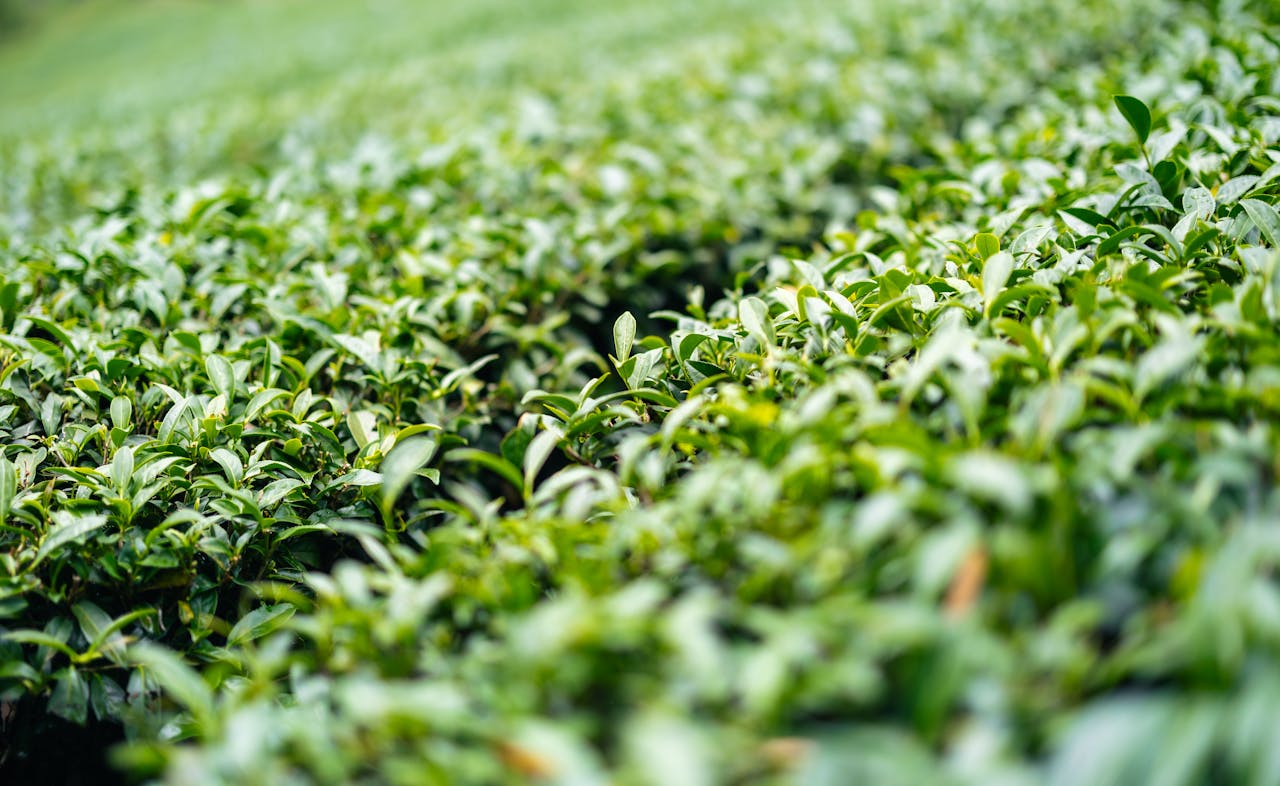
Korean green tea represents the pinnacle of Korean tea craftsmanship, with a history spanning over 1,200 years. Unlike Chinese pan-firing or Japanese steaming, Korean green tea processing emphasizes gentle handling and minimal intervention to preserve natural flavors.
Characteristic features:
- Smooth, naturally sweet flavor with minimal astringency
- Delicate processing that preserves subtle flavor nuances
- Regional variations from different mountain growing areas
- Traditional hand-processing methods still used by artisan producers
Popular Korean green tea varieties:
- Boseong Nokcha: From Korea’s most famous tea region
- Hadong Wild Tea: Ancient trees in traditional growing area
- Jeju Island Green Tea: Unique volcanic soil characteristics
- Premium first-flush: Spring harvest specialty teas
Korean green tea offers gentle energy and antioxidant benefits while providing a meditative drinking experience that connects you to Korean tea culture’s contemplative traditions.
Korean Herbal Teas
Korean herbal tea tradition, known as “cha” (차), encompasses a vast array of plant-based beverages designed to support health, provide comfort, and offer caffeine-free alternatives for any time of day.
Traditional herbal categories:
- Root-based teas: Ginseng, ginger, and other therapeutic roots
- Flower teas: Chrysanthemum, lotus, and seasonal blossoms
- Grain-based teas: Barley, corn, and roasted grain varieties
- Medicinal herbs: Traditional Korean medicine ingredients
Health-focused approach: Korean herbal teas are formulated based on traditional Korean medicine principles, with each variety offering specific wellness benefits:
- Warming herbs for cold conditions and winter months
- Cooling herbs for hot weather and internal heat
- Neutral herbs for daily consumption and balance
- Therapeutic combinations for specific health goals
Popular Korean herbal teas include immune-boosting ginseng varieties, soothing chrysanthemum tea, digestive barley tea, and traditional medicinal blends created by Korean herbalists.
Traditional Korean Tea Blends
Traditional Korean tea blends represent the artistry and wisdom of Korean tea culture, combining multiple ingredients to create harmonious flavors and enhanced health benefits. These carefully crafted combinations reflect seasonal needs, health principles, and cultural preferences.
Blending philosophy:
- Seasonal harmony: Ingredients chosen for seasonal wellness needs
- Flavor balance: Combining complementary tastes and aromas
- Health synergy: Ingredients that enhance each other’s benefits
- Cultural significance: Blends with historical and ceremonial importance
Types of traditional blends:
- Ceremonial blends: Used in Korean tea ceremonies and special occasions
- Daily wellness blends: Formulated for regular consumption and health maintenance
- Seasonal blends: Specific combinations for spring, summer, autumn, and winter
- Therapeutic blends: Traditional Korean medicine formulations for specific health goals
These masterful combinations showcase the sophistication of Korean tea culture and offer complex flavor experiences impossible to achieve with single-ingredient teas.
Explore Traditional Korean Blends →
Choosing Your Korean Tea Journey
For Beginners: Start Here
Korean Green Tea: Begin with a quality Boseong nokcha to experience the gentle sweetness and smooth character that defines Korean green tea.
Korean Barley Tea: Try caffeine-free boricha for a naturally sweet, comforting introduction to Korean herbal traditions.
Ginseng Tea: Experience Korea’s most famous therapeutic tea with a mild Korean white ginseng variety.
For Tea Enthusiasts: Expand Your Palate
Premium green teas: Explore first-flush and artisan-processed varieties from different regions to understand terroir differences.
Medicinal herbal teas: Discover traditional Korean medicine approaches to wellness through therapeutic tea formulations.
Seasonal specialties: Experience how Korean tea culture adapts to seasonal changes with appropriate varieties for each time of year.
For Advanced Practitioners: Master the Art
Wild and aged varieties: Seek rare wild mountain teas and traditionally aged Korean teas for unique experiences.
Regional specialties: Compare teas from different Korean provinces to understand regional characteristics and processing variations.
Ceremonial preparations: Learn traditional Korean tea ceremony techniques and use appropriate teas for formal presentations.
Korean Tea and Health: Traditional Wellness Approach
Korean tea culture views tea consumption as an integral part of maintaining health and preventing illness. This holistic approach considers individual constitution, seasonal needs, and specific health goals when selecting appropriate teas.
Health benefits by tea type:
- Green teas: Antioxidants, gentle energy, cardiovascular support
- Herbal teas: Specific therapeutic benefits based on ingredients
- Traditional blends: Comprehensive wellness through synergistic combinations
Seasonal wellness approach:
- Spring: Detoxifying and energizing teas for renewal
- Summer: Cooling and hydrating varieties for hot weather
- Autumn: Immune-supporting teas for seasonal transition
- Winter: Warming and nourishing teas for cold months
Quality and Authenticity: What to Look For
Authentic Korean Tea Characteristics
Origin verification: Look for clear Korean origin labeling and regional certifications.
Traditional processing: Authentic Korean teas maintain traditional processing methods even when using modern equipment.
Seasonal timing: Quality Korean teas are harvested and processed at optimal seasonal times.
Proper packaging: Authentic teas are packaged to preserve freshness and include harvest information.
Supporting Korean Tea Culture
Choose authentic sources: Purchase from reputable suppliers who work directly with Korean tea producers.
Respect traditional methods: Appreciate and support artisan producers who maintain traditional processing techniques.
Learn proper preparation: Honor Korean tea culture by learning appropriate brewing methods and tea etiquette.
Share knowledge: Help preserve Korean tea culture by sharing knowledge and introducing others to authentic Korean teas.
Building Your Korean Tea Collection
Essential Teas for Every Collection
Foundation teas (must-have):
- Quality Korean green tea from a recognized region
- Korean ginseng tea for energy and wellness
- Korean barley tea for daily caffeine-free hydration
- Traditional herbal blend representing Korean tea medicine
Expansion teas (intermediate):
- Premium green tea from multiple regions for comparison
- Seasonal herbal varieties for year-round wellness
- Medicinal therapeutic teas for specific health goals
- Traditional ceremonial blends for cultural appreciation
Specialty teas (advanced):
- Rare and aged varieties for unique experiences
- Wild mountain teas for connection to Korean nature
- Artisan limited editions supporting traditional craftsmanship
- Regional specialties representing different Korean provinces
Your Korean tea journey can begin with any category that appeals to your taste preferences and health goals. Each type offers unique benefits and connections to Korean culture, history, and wellness traditions.
Ready to explore Korean tea varieties? Choose your starting point and begin discovering the rich world of authentic Korean tea culture.