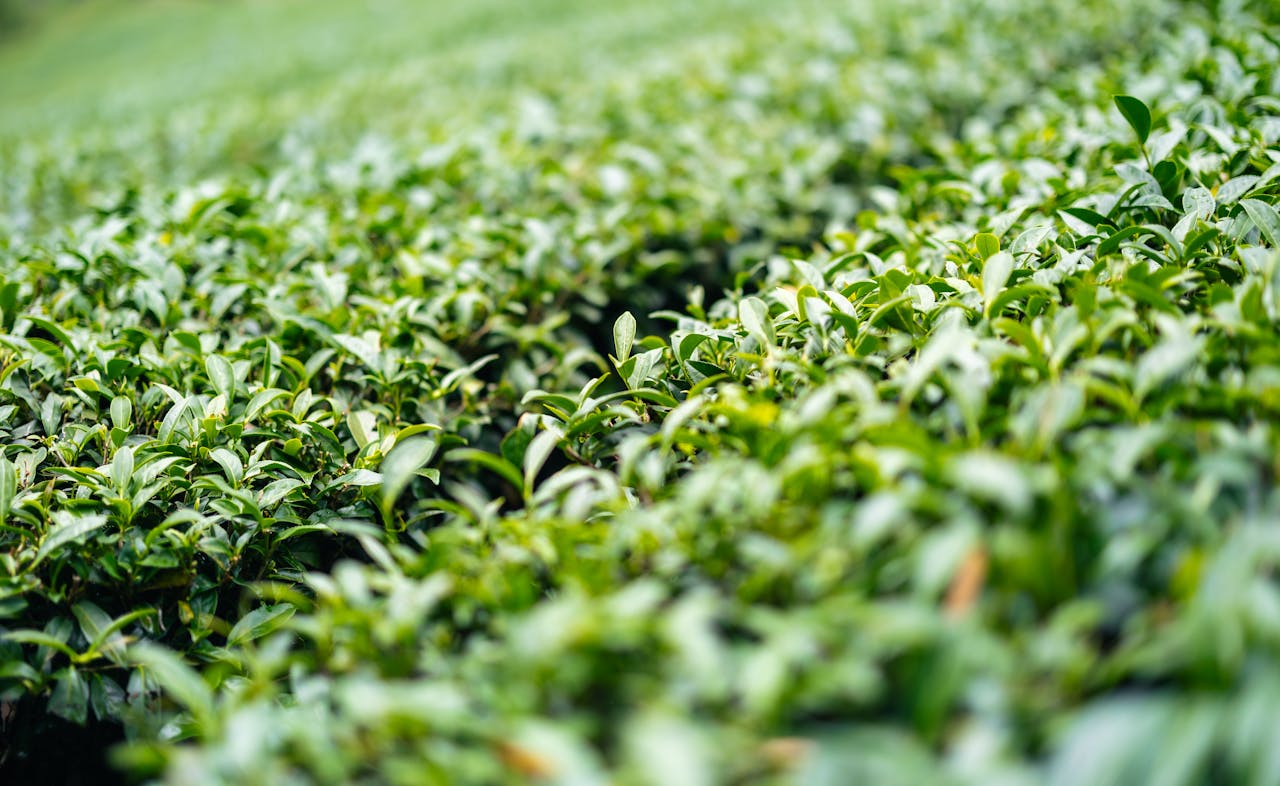
Korea’s tea culture spans over 1,500 years, with certain regions becoming legendary for producing exceptional teas that capture the essence of Korean terroir. From the misty slopes of Boseong to the ancient groves of Hadong, each tea region tells a unique story of geography, climate, and centuries-old traditions that continue to shape Korean tea today.
Boseong County: Korea’s Green Tea Capital
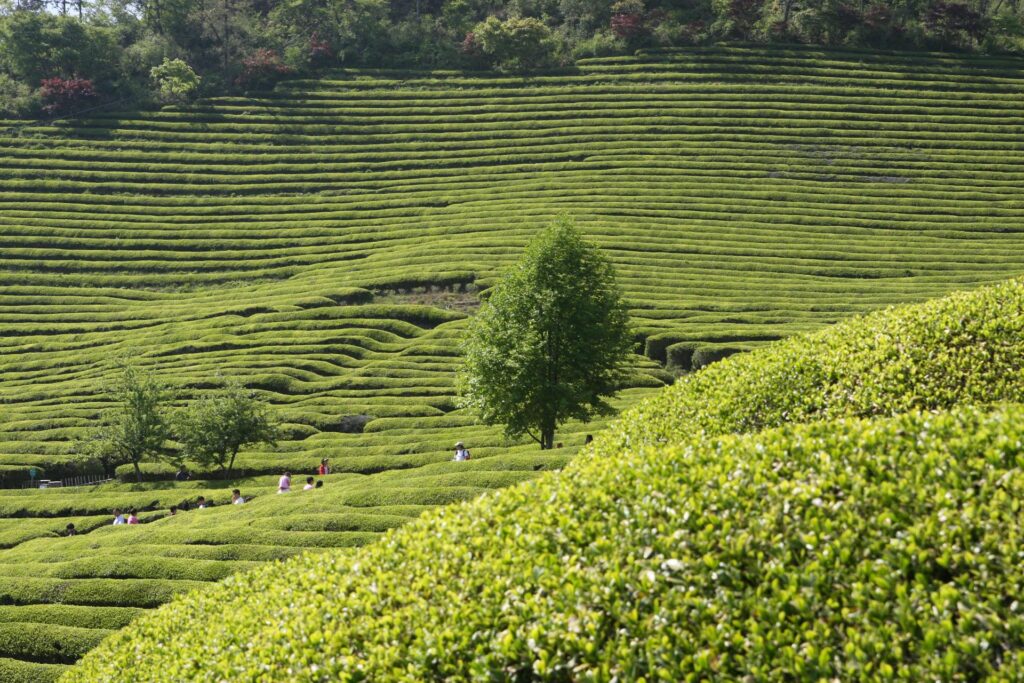
The Emerald Terraces of Jeollanam-do
Boseong County in South Jeolla Province has earned its reputation as Korea’s most famous tea region, producing nearly 40% of the country’s green tea. The rolling hills covered in perfectly manicured tea terraces have become one of Korea’s most photographed landscapes, but the beauty goes far beyond aesthetics.
Geographic Advantages Boseong’s location along Korea’s southern coast provides the ideal subtropical climate for tea cultivation. The region benefits from:
- Consistent temperatures ranging from 13-15°C annually
- High humidity from coastal fog that naturally irrigates the tea plants
- Well-drained volcanic soil rich in minerals
- Protection from harsh winds by surrounding mountains
Historical Development Tea cultivation in Boseong began in earnest during the Japanese colonial period in the 1930s, but the region truly flourished after Korean independence. The establishment of large-scale plantations in the 1950s and 60s transformed Boseong into Korea’s premier green tea production center.
Today, the Daehan Dawon (Korea Tea Plantation) spans over 580 hectares of terraced hillsides, creating the iconic curved rows of tea bushes that have made Boseong famous worldwide. The plantation’s systematic approach to cultivation and processing has set quality standards for Korean green tea production.
What Makes Boseong Tea Special Boseong green tea is characterized by its:
- Clean, fresh flavor with subtle sweetness
- Bright yellow-green color when brewed
- Delicate aroma with notes of fresh grass and ocean breeze
- Smooth finish without bitterness when properly prepared
The region’s coastal influence gives Boseong tea a distinctive minerality that tea connoisseurs can identify in blind tastings.
Hadong County: Where Korean Tea Culture Began

The Birthplace of Korean Tea
Hadong County in Gyeongsangnam-do holds the distinction of being Korea’s oldest tea-growing region, with a history stretching back over 1,200 years. This mountainous area along the Seomjin River is where Korean tea culture first took root, making it a pilgrimage site for serious tea enthusiasts.
Ancient Origins According to Korean tea history, Buddhist monk Daesu first brought tea seeds from Tang Dynasty China to Jiri Mountain in Hadong around 828 AD. The seeds were planted on the slopes of Jiri Mountain, Korea’s second-highest peak, where wild tea bushes still grow today – some of the oldest tea plants in Korea.
Unique Terroir Hadong’s tea gardens occupy steep mountain slopes at elevations between 400-800 meters, creating challenging growing conditions that stress the tea plants and concentrate flavors. The region’s characteristics include:
- Cool mountain temperatures with significant day-night variation
- Pristine mountain spring water
- Ancient granite soil with excellent drainage
- Dense morning mists that protect leaves from harsh sunlight
Wild and Semi-Wild Tea Culture What sets Hadong apart is its preservation of wild and semi-wild tea cultivation methods. Many tea gardens here still follow traditional practices:
- Allowing tea bushes to grow in their natural form rather than heavy pruning
- Minimal use of fertilizers or pesticides
- Hand-picking only the youngest, most tender leaves
- Small-batch processing using traditional methods
Hadong Tea Characteristics Hadong teas are prized for their:
- Complex, layered flavor profiles
- Distinctive mountain minerality
- Longer finish and more astringent character
- Seasonal variation that reflects the mountain terroir
The region produces both green tea and traditional Korean fermented teas, with some producers still making tea using methods passed down through generations.
Jeju Island: Innovation Meets Tradition
Korea’s Volcanic Tea Paradise
Jeju Island, Korea’s largest island located off the southern coast, represents the newest chapter in Korean tea cultivation while honoring traditional methods. The island’s unique volcanic terroir creates teas with characteristics found nowhere else in Korea.
Volcanic Advantage Jeju’s volcanic origin provides exceptional growing conditions:
- Nutrient-rich volcanic soil with natural porosity
- Abundant rainfall and high humidity
- Mild subtropical climate moderated by ocean currents
- Clean air free from industrial pollution
Modern Tea Innovation While Jeju’s tea industry is relatively young (established in the 1960s), it has quickly gained recognition for innovation. The island’s tea producers have experimented with:
- Organic cultivation methods
- New tea varieties adapted to volcanic soil
- Modern processing techniques combined with traditional wisdom
- Sustainable farming practices
Unique Tea Characteristics Jeju teas are known for their:
- Rich, full-bodied flavor with volcanic minerality
- Vibrant green color and fresh aroma
- Natural sweetness from volcanic soil nutrients
- Clean finish that reflects the island’s pure environment
The island’s isolation has also allowed for experimentation with indigenous tea varieties that grow nowhere else in Korea.
Jeonnam Gokseong: The Hidden Gem
Traditional Methods in Modern Times
Gokseong County in South Jeolla Province represents Korea’s artisanal tea tradition, where small-scale producers focus on quality over quantity. This lesser-known region has preserved traditional tea-making methods while adapting to modern quality standards.
Artisanal Focus Gokseong’s tea industry is characterized by:
- Small family-owned tea gardens
- Hand-processing techniques
- Limited production focused on premium quality
- Direct relationships between growers and tea enthusiasts
Geographic Character The region’s rolling hills and river valleys create microclimates that allow for diverse tea production. The area benefits from:
- Moderate elevation changes that create varied growing conditions
- Rich alluvial soil from river systems
- Balanced rainfall and sunshine
- Protection from extreme weather by surrounding mountains
Regional Tea Processing Traditions
How Geography Influences Processing
Each tea region has developed distinct processing methods that reflect local conditions and cultural preferences:
Boseong’s Industrial Excellence Large-scale plantations have perfected mechanized processing while maintaining quality:
- Steam-fixing to preserve green color and fresh flavor
- Precise temperature control during drying
- Consistent grading and sorting
- Modern packaging to preserve freshness
Hadong’s Traditional Methods Mountain producers often use traditional techniques:
- Pan-firing in small batches
- Natural drying using mountain air
- Minimal processing to preserve natural character
- Seasonal production that follows natural rhythms
Jeju’s Innovative Approaches Island producers combine tradition with innovation:
- Organic processing methods
- Solar drying when possible
- Small-batch fermentation experiments
- Modern quality control with traditional sensibilities
Climate Change and Tea Region Evolution
Adapting to Environmental Challenges
Korean tea regions are adapting to changing environmental conditions while preserving traditional quality:
Northern Expansion Warming temperatures have allowed tea cultivation to expand northward, with experimental plots now growing in regions previously too cold for tea production.
Quality Adaptation Traditional regions are adjusting cultivation practices:
- Modified harvest timing to account for earlier springs
- New cultivars better adapted to changing conditions
- Water management systems to handle irregular rainfall
- Organic methods to build soil resilience
The Future of Korean Tea Regions
Preserving Heritage While Embracing Innovation
Korean tea regions continue evolving while maintaining their distinct characteristics:
Sustainable Practices
- Increased focus on organic and natural cultivation
- Preservation of traditional tea bush varieties
- Environmental protection in sensitive mountain areas
- Support for small-scale, artisanal producers
Global Recognition Korean tea regions are gaining international recognition:
- Export growth for premium Korean teas
- Tea tourism development in major regions
- International certifications for quality and sustainability
- Cultural exchange programs promoting Korean tea culture
Innovation and Tradition Modern Korean tea regions balance innovation with heritage:
- New processing techniques that enhance traditional flavors
- Scientific research into optimal growing conditions
- Technology that supports rather than replaces traditional methods
- Education programs that train new generations of tea artisans
Visiting Korea’s Tea Regions
Experiencing Tea Terroir Firsthand
Each region offers unique experiences for tea enthusiasts:
Boseong: Visit during May for the green tea festival, walk the famous terraced hillsides, and experience large-scale tea production methods.
Hadong: Explore ancient tea groves on Jiri Mountain, meet traditional tea makers, and taste teas made from century-old wild tea bushes.
Jeju: Discover innovative organic tea gardens, learn about volcanic terroir, and enjoy the island’s unique tea varieties.
Gokseong: Meet artisanal tea producers, participate in traditional tea ceremonies, and purchase directly from small family farms.
Understanding Korean Tea Through Its Regions
The story of Korean tea is ultimately the story of its regions – each contributing unique flavors, traditions, and innovations to Korea’s rich tea culture. From Boseong’s perfectly manicured terraces to Hadong’s ancient mountain groves, from Jeju’s volcanic innovation to Gokseong’s artisanal traditions, Korean tea regions offer a diverse tapestry of flavors and experiences.
Understanding these regional differences helps tea enthusiasts appreciate the complexity and depth of Korean tea culture. Whether you prefer the clean elegance of Boseong green tea, the mountain complexity of Hadong varieties, the volcanic richness of Jeju teas, or the artisanal character of Gokseong productions, each region offers its own pathway into the heart of Korean tea tradition.
The next time you brew a cup of Korean tea, take a moment to consider the specific piece of Korean geography that contributed to its unique character – the misty coastlines, ancient mountains, volcanic soils, and river valleys that have shaped Korea’s tea culture for over a millennium and continue to evolve today.