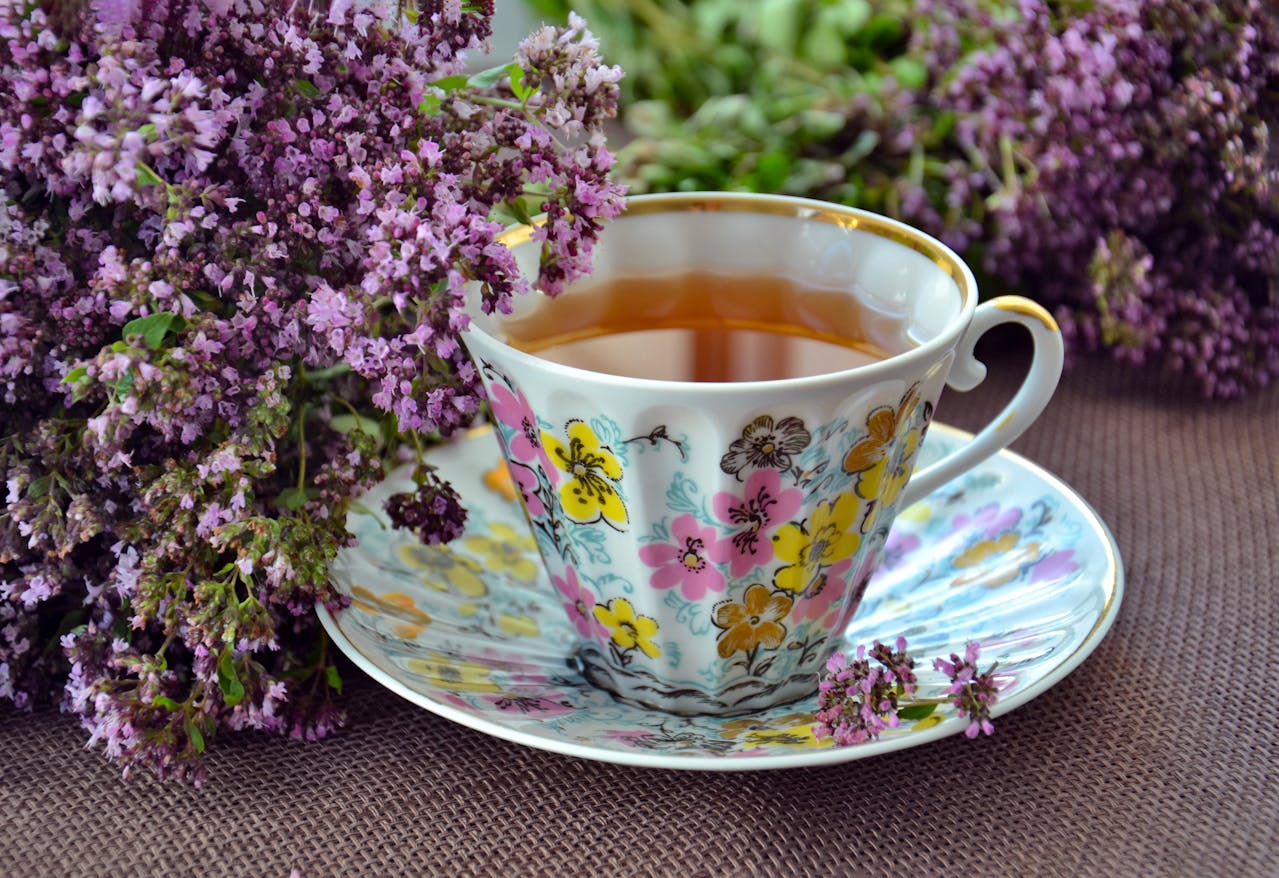
Walk into any Korean home or restaurant, and you’ll likely be offered a warm cup of barley tea or perhaps a fragrant chrysanthemum infusion. These aren’t just beverages – they’re expressions of Korean hospitality, comfort, and a tea culture that extends far beyond the green tea leaves most people associate with Korea.
Korean herbal teas represent a fascinating aspect of the country’s culinary heritage, where everyday ingredients like roasted barley, dried flowers, and mountain roots are transformed into drinks that have warmed Korean hearts for generations. Each tea tells a story of seasons, family traditions, and the Korean philosophy of finding beauty in simplicity.
The Heart of Korean Tea Culture
Unlike the formal tea ceremonies found in some cultures, Korean herbal tea drinking is refreshingly unpretentious. It’s woven into daily life in ways that feel natural and comforting. Korean families keep pitchers of cold barley tea in their refrigerators during summer, much like Americans might keep iced tea. In winter, the same barley tea is served steaming hot, creating a year-round rhythm of comfort and hydration.
This approach to herbal teas reflects broader Korean cultural values of practicality, warmth, and caring for family and guests. Offering tea isn’t just politeness – it’s an expression of genuine concern for someone’s comfort and well-being. The teas themselves are chosen not for exotic flavors or elaborate preparation rituals, but for their ability to provide daily comfort and seasonal appropriateness.
Korean herbal teas also embody the concept of “jeong” – a uniquely Korean term describing deep emotional connections and care for others. When a Korean grandmother prepares ginger tea for a family member feeling under the weather, or when a host serves chrysanthemum tea to help guests relax after a long day, they’re expressing jeong through the simple act of sharing tea.
Barley Tea: Korea’s Beloved Daily Companion
If there’s one tea that defines Korean beverage culture, it’s boricha – roasted barley tea. This golden-brown drink appears on virtually every Korean table, from humble family dinners to upscale restaurant meals. Its nutty, slightly sweet flavor and complete lack of caffeine make it universally appealing and suitable for any time of day.
The story of barley tea in Korea goes back centuries, when resourceful Korean cooks discovered that roasting barley grains and steeping them in hot water created a satisfying, flavorful drink that used readily available ingredients. Over time, this practical beverage became deeply embedded in Korean food culture, evolving from a simple grain-based drink into a cultural institution.
What makes Korean barley tea special is the roasting process. The barley is carefully toasted until it develops a rich, golden color and releases nutty aromas that fill Korean kitchens. This roasting creates complex flavors – some subtle sweetness, earthy undertones, and a satisfying depth that plain water simply can’t provide. The result is a drink that’s simultaneously familiar and interesting, comforting yet never boring.
Korean families often make large batches of barley tea, keeping hot thermoses in winter and chilled pitchers in summer. Children grow up drinking it, and many Korean adults living abroad speak fondly of barley tea as a taste of home. It’s the ultimate comfort beverage – warming in winter, refreshing in summer, and always welcoming.
Ginseng Tea: A Taste of Korean Mountains
Korean ginseng tea represents perhaps the most internationally recognized Korean herbal beverage, and for good reason. The distinctive earthy, slightly bitter flavor of ginseng tea embodies the wild mountain environment where Korean ginseng grows, creating a drinking experience that’s both medicinal-tasting and deeply satisfying.
The flavor profile of authentic Korean ginseng tea is unlike anything else. It’s intensely earthy, with woody undertones and a lasting finish that seems to warm you from the inside out. The initial taste can be quite strong – some describe it as medicinal or root-like – but many people develop a genuine appreciation for its unique character. It’s the kind of flavor that grows on you, becoming more appealing as you understand its complexity.
Korean ginseng tea comes in two main varieties that offer different taste experiences. Red ginseng tea, made from steamed and dried roots, has a more intense, concentrated flavor with slight sweetness and deeper color. White ginseng tea, from air-dried roots, offers a milder introduction to ginseng’s distinctive taste, making it more approachable for newcomers while still delivering the authentic ginseng experience.
The preparation of ginseng tea is often a contemplative process. Traditional methods involve simmering ginseng root slices for fifteen to twenty minutes, filling the kitchen with aromatic steam and creating anticipation for that first warming sip. Many Korean families have special occasions when they prepare fresh ginseng tea, turning the brewing process into a small ritual that brings people together.
Chrysanthemum Tea: Delicate Flowers, Gentle Flavors
Korean chrysanthemum tea offers a completely different sensory experience from robust ginseng or nutty barley tea. Made from dried chrysanthemum flowers, this golden tea provides delicate floral notes, natural sweetness, and visual beauty that makes every cup feel special.
The most enchanting aspect of chrysanthemum tea is watching it brew. As hot water meets the dried flowers, they slowly bloom and unfurl, creating a beautiful display while releasing their gentle fragrance. The resulting tea has a light, refreshing taste with subtle floral notes and natural sweetness that requires no added sugar. It’s the kind of tea that feels elegant and refined without being pretentious.
Korean chrysanthemum tea culture often emphasizes the visual and aromatic experience as much as the taste. The flowers themselves are beautiful – small, white or yellow blooms that create an almost garden-like scene in your teacup. This visual appeal makes chrysanthemum tea popular for special occasions and when entertaining guests who might appreciate both the taste and the aesthetic experience.
The flavor is gentle and soothing, with a clean finish that makes it particularly appealing during hot weather or stressful times. Unlike stronger herbal teas, chrysanthemum tea doesn’t demand attention – it offers quiet refreshment that complements rather than dominates whatever else you might be doing.
Ginger Tea: Warming Comfort in a Cup
Korean ginger tea, or saenggang-cha, represents the warming, comforting side of Korean herbal tea culture. This spicy, aromatic tea brings immediate warmth and has a bold flavor that announces itself from the first sip. It’s the tea that Korean families turn to during cold winter days or when someone needs extra comfort.
The preparation of Korean ginger tea often becomes a kitchen ritual. Fresh ginger root is sliced and simmered until the water becomes golden and fragrant with spicy ginger oils. The aroma alone – warm, spicy, and invigorating – can fill an entire home and create anticipation for the warming drink to come.
Korean ginger tea has a complex flavor profile that develops as you drink it. The initial taste is quite spicy and warming, with a slight burn that spreads pleasantly through your mouth and throat. As the tea cools slightly, you might notice subtle sweetness and aromatic notes that weren’t apparent when it was very hot. Many Korean families add honey or Korean pears to their ginger tea, creating variations that balance the spice with natural sweetness.
The cultural role of ginger tea in Korean households often extends beyond simple beverage service. It’s the tea that grandmothers prepare with extra care, the warming drink that appears during family gatherings in cold weather, and the comforting beverage that signals care and attention to family members’ comfort.
Seasonal Tea Traditions
Korean herbal tea culture follows natural seasonal rhythms that reflect both practical considerations and cultural wisdom about living in harmony with nature’s cycles. Each season brings its own preferred teas, preparation methods, and cultural associations that have developed over generations of Korean tea drinking.
Spring in Korea signals a time for lighter, more refreshing teas that match the season’s energy of renewal and growth. Chrysanthemum tea becomes more popular as temperatures warm, and many families begin transitioning from heavy winter teas to more delicate options. This seasonal shift reflects Korean cultural appreciation for living in harmony with natural cycles.
Summer tea culture in Korea centers around cooling and hydration. Cold barley tea becomes the primary beverage in most Korean homes, served ice-cold from refrigerated pitchers and consumed throughout the day. Even traditionally hot teas like chrysanthemum are sometimes served chilled, creating refreshing alternatives to sugary summer drinks.
Autumn brings a gradual return to warming teas as temperatures begin to drop. This is when Korean families might begin preparing ginseng teas more frequently, and ginger tea starts appearing on family tables. The transition from cooling summer teas to warming autumn varieties marks the changing seasons in Korean households.
Winter represents the peak season for Korean warming teas. Ginger tea, hot ginseng preparations, and steaming barley tea provide comfort during Korea’s cold winter months. The preparation of these warming teas often becomes more elaborate during winter, with families taking extra time to create perfect brewing conditions for maximum warmth and comfort.
Regional Variations and Local Specialties
Different regions of Korea have developed their own herbal tea specialties and preparation methods, reflecting local ingredients and cultural preferences. These regional variations add depth and diversity to Korean herbal tea culture while maintaining connection to national tea traditions.
Jeju Island has developed unique herbal tea preparations using indigenous plants and flowers found only on the volcanic island. These teas often incorporate local citrus elements and native herbs, creating flavor profiles that reflect Jeju’s distinctive environment and cultural heritage.
Mountain regions of Korea have long traditions of wild herb teas made from foraged plants and mountain ingredients. These teas connect drinkers to Korea’s natural mountain environment and represent some of the oldest Korean herbal tea traditions.
Coastal areas have developed their own variations of traditional teas, sometimes incorporating sea vegetables or coastal plants that add unique flavors and connect the teas to maritime Korean culture.
The Art of Korean Tea Preparation
Korean herbal tea preparation emphasizes simplicity and functionality over elaborate ceremony, but this doesn’t mean the process lacks artistry or cultural significance. The Korean approach to tea preparation focuses on creating optimal conditions for extracting flavors while maintaining the meditative, calming aspects of tea preparation.
The equipment used for Korean herbal teas tends to be practical and durable rather than ornate. Simple ceramic teapots, glass vessels that allow you to see the tea’s color development, and basic strainers create functional brewing setups that prioritize good results over impressive appearance.
Water quality and temperature receive careful attention in Korean tea preparation. Different herbal teas require different water temperatures to extract optimal flavors without creating bitterness or overwhelming delicate ingredients. Barley tea can handle fully boiling water, while chrysanthemum flowers prefer slightly cooler water to preserve their delicate floral character.
Timing in Korean herbal tea preparation varies significantly between different tea types. Barley tea might simmer for ten to fifteen minutes to extract maximum flavor from the roasted grains, while chrysanthemum flowers need only a few minutes to release their essence. Understanding these timing differences helps create optimal results for each tea type.
The serving of Korean herbal teas follows cultural patterns that emphasize hospitality and care for others. Tea is typically served in small cups that encourage slow, mindful drinking, and hosts pay attention to keeping guests’ cups filled and ensuring everyone feels welcome and comfortable.
Modern Korean Tea Culture
Contemporary Korean tea culture has adapted traditional herbal tea practices to modern lifestyles while maintaining connection to cultural roots and family traditions. Modern Korean families might use convenient tea bags instead of brewing loose ingredients, but they maintain the cultural values and seasonal awareness that have always characterized Korean tea drinking.
Korean convenience stores and cafes now offer bottled versions of traditional herbal teas, making barley tea and other Korean favorites available to busy urban dwellers who want to maintain connection to traditional flavors. These modern adaptations preserve the essential taste experiences while accommodating contemporary lifestyle demands.
Young Korean generations are rediscovering traditional herbal teas as part of broader interest in Korean cultural heritage and wellness practices. Many young Koreans living abroad seek out traditional herbal teas as ways to maintain connection to their cultural identity and family traditions.
Korean tea culture has also begun influencing international beverage trends, with Korean herbal teas appearing in international cafes and specialty stores. This global expansion introduces non-Korean drinkers to the unique flavors and cultural approaches that define Korean herbal tea traditions.
Tea Etiquette and Social Customs
Korean herbal tea service includes subtle but important social customs that reflect broader Korean cultural values around respect, hospitality, and care for others. Understanding these customs enhances both the preparation and enjoyment of Korean herbal teas.
When serving tea to others, Korean custom emphasizes attention to guests’ comfort and preferences. This might mean adjusting tea strength, ensuring optimal temperature, or selecting teas that match the season, time of day, or guests’ preferences. The goal is always to create comfort and show care for others.
Receiving tea in Korean culture involves acknowledgment and appreciation for the host’s efforts. This doesn’t require elaborate gestures, but simple recognition of the care and attention that went into preparing and serving the tea helps maintain the social connections that Korean tea culture promotes.
The timing of tea service in Korean culture often follows meal patterns and daily rhythms. Barley tea might be served throughout meals and casual social situations, while more special teas like ginseng might be reserved for particular occasions or times when extra care and attention are appropriate.
Flavor Profiles and Tasting Notes
Understanding the distinctive flavor characteristics of different Korean herbal teas helps develop appreciation for their unique qualities and cultural significance. Each tea offers different sensory experiences that reflect their ingredients and preparation methods.
Barley tea provides nutty, toasted flavors with natural sweetness and clean finish. The roasting process creates depth and complexity that makes this simple grain-based tea surprisingly satisfying and interesting to drink regularly.
Ginseng tea offers earthy, woody flavors with slight bitterness and warming qualities. The taste is distinctive and medicinal, with lingering effects that create a sense of substantial nourishment from each cup.
Chrysanthemum tea delivers delicate floral notes with natural sweetness and light, refreshing character. The taste is gentle and soothing, with visual beauty that enhances the overall drinking experience.
Ginger tea provides spicy warmth with aromatic complexity and invigorating effects. The flavor develops and changes as the tea cools, revealing different aspects of ginger’s complex flavor profile.
Creating Your Korean Herbal Tea Experience
Developing appreciation for Korean herbal teas involves understanding their cultural context, learning proper preparation methods, and discovering personal preferences among the different flavor profiles available. This journey connects you to Korean culture while providing daily comfort and enjoyment.
Start with barley tea as an introduction to Korean herbal tea culture. Its mild, appealing flavor and cultural significance make it an ideal entry point for understanding Korean tea traditions. Try both hot and cold preparations to experience how seasonal serving affects the tea’s character.
Experiment with different preparation methods to understand how timing, water temperature, and ingredient proportions affect flavor development. Korean herbal tea preparation is forgiving and adaptable, allowing for personal preferences while maintaining traditional character.
Consider the seasonal and cultural contexts that traditionally accompany different Korean herbal teas. Understanding when and why Korean families choose particular teas enhances appreciation for their cultural significance and helps integrate them meaningfully into your own daily routine.
Build your Korean herbal tea collection gradually, focusing on quality ingredients and preparation methods that create optimal flavor experiences. The goal is developing genuine appreciation for these unique flavors and cultural traditions rather than simply accumulating different varieties.
Korean herbal teas offer windows into Korean culture, family traditions, and approaches to daily comfort that have sustained Korean communities for generations. Whether you’re drawn to the nutty simplicity of barley tea, the distinctive character of ginseng, or the gentle beauty of chrysanthemum tea, each cup connects you to cultural wisdom and seasonal awareness that enriches daily life through simple, mindful tea drinking.